News
Latest News & Upcoming Events
Our members from Sea Forest are looking for an experienced COO to join their fast growing team
Our members from Sea Forest in Tasmania are well positioned to become a leading player in the fast developing Asparagopsis market! Following the rapid growth in their business (see more in this brief video), they are looking for an experienced senior operations...
The Safe Seaweed Coalition awards €700,000 in first Call for Proposals
After a highly competitive evaluation process by an advisory board of seaweed industry experts, the Safe Seaweed Coalition Steering Committee announced the results of its first call for proposals. Sixteen projects were selected for funding, with a total value of about...
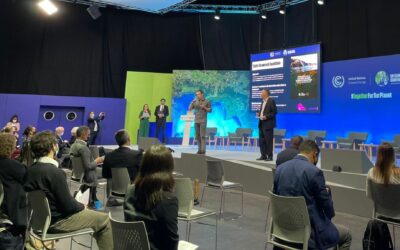
COP26: positioning seaweed as a powerful ocean-based climate solution
COP26 brought the seaweed family together to position seaweed as a multifaceted ocean-based solution to tackle Climate Change. In the Blue Food session organized by our UNGC partners, seaweed –presented as a powerful tool for bridging nutrition needs with climate...
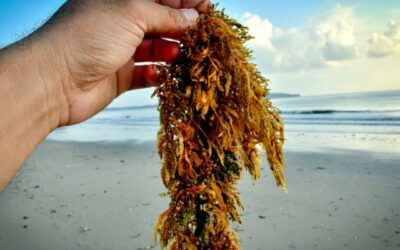
Safe Seaweed by Design is launching a survey on safety hazards in the seaweed sector
Our partners from Safe Seaweed by Design, a project led by the Wageningen University, are launching a study to assess the most important occupational, environmental and food safety hazards in the seaweed sector. We strongly support this initiative that falls fully...
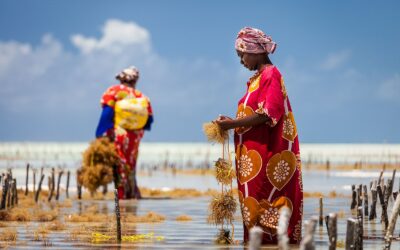
The Safe Seaweed Coalition Roundtables are opening next week!
The Safe Seaweed Coalition Roundtables are opening next week, April 13th 2PM (GMT+1), with a discussion on Seaweed in Africa! In the perspective of creating a space for collaboration between seaweed stakeholders in Africa, our members will identify challenges and...